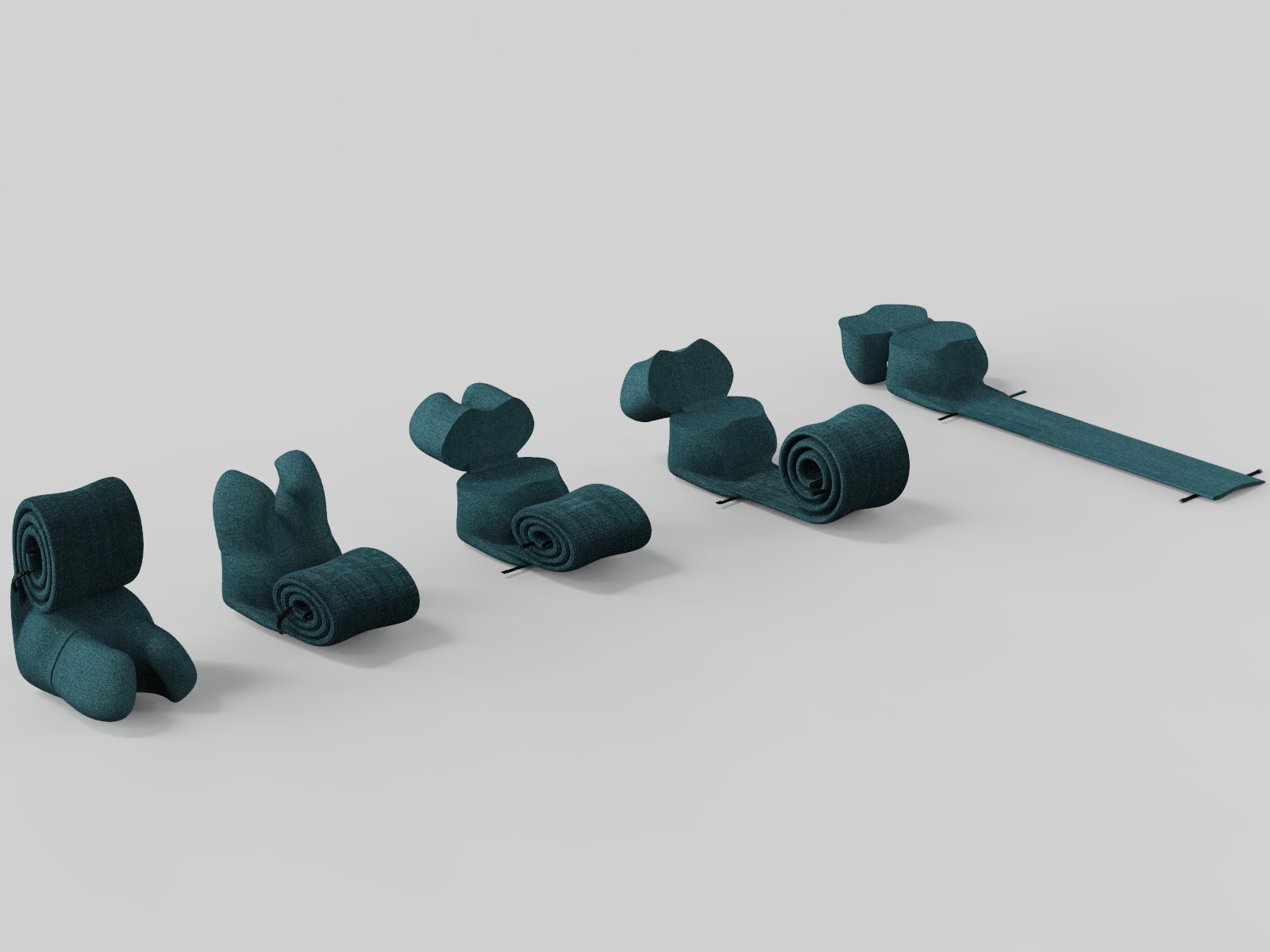
reBIRTH

Reconfigurable Birthing Tool
Year: 2020
Role: Industrial Designer/Researcher
Type: Group Project for James Dyson Awards 2020
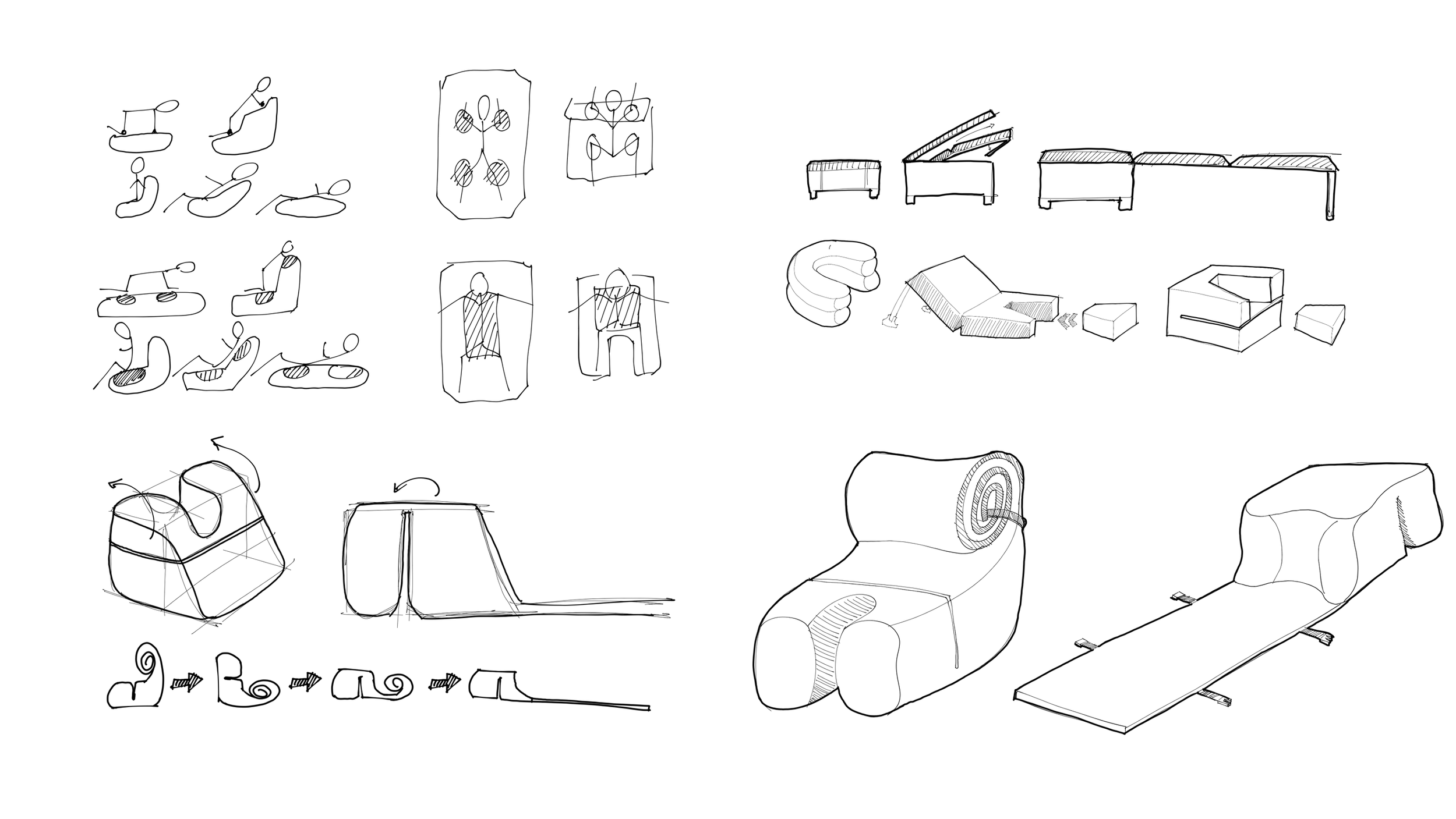
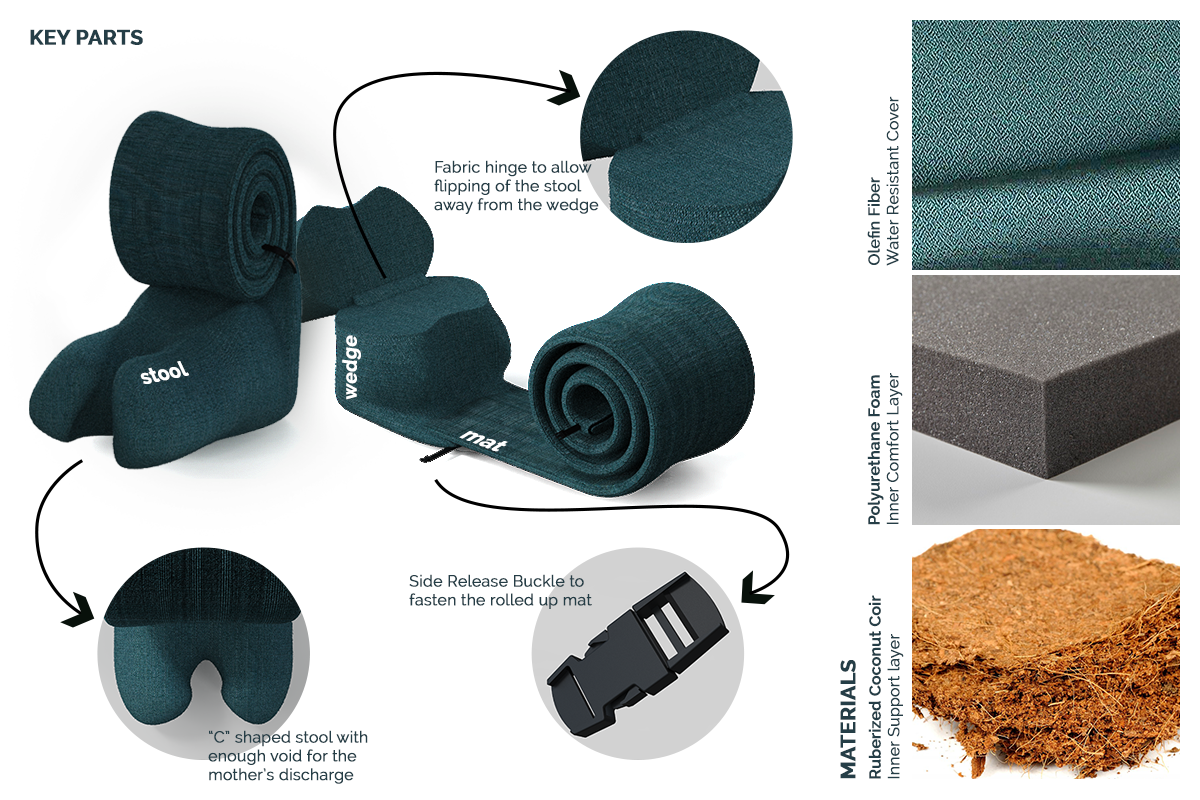
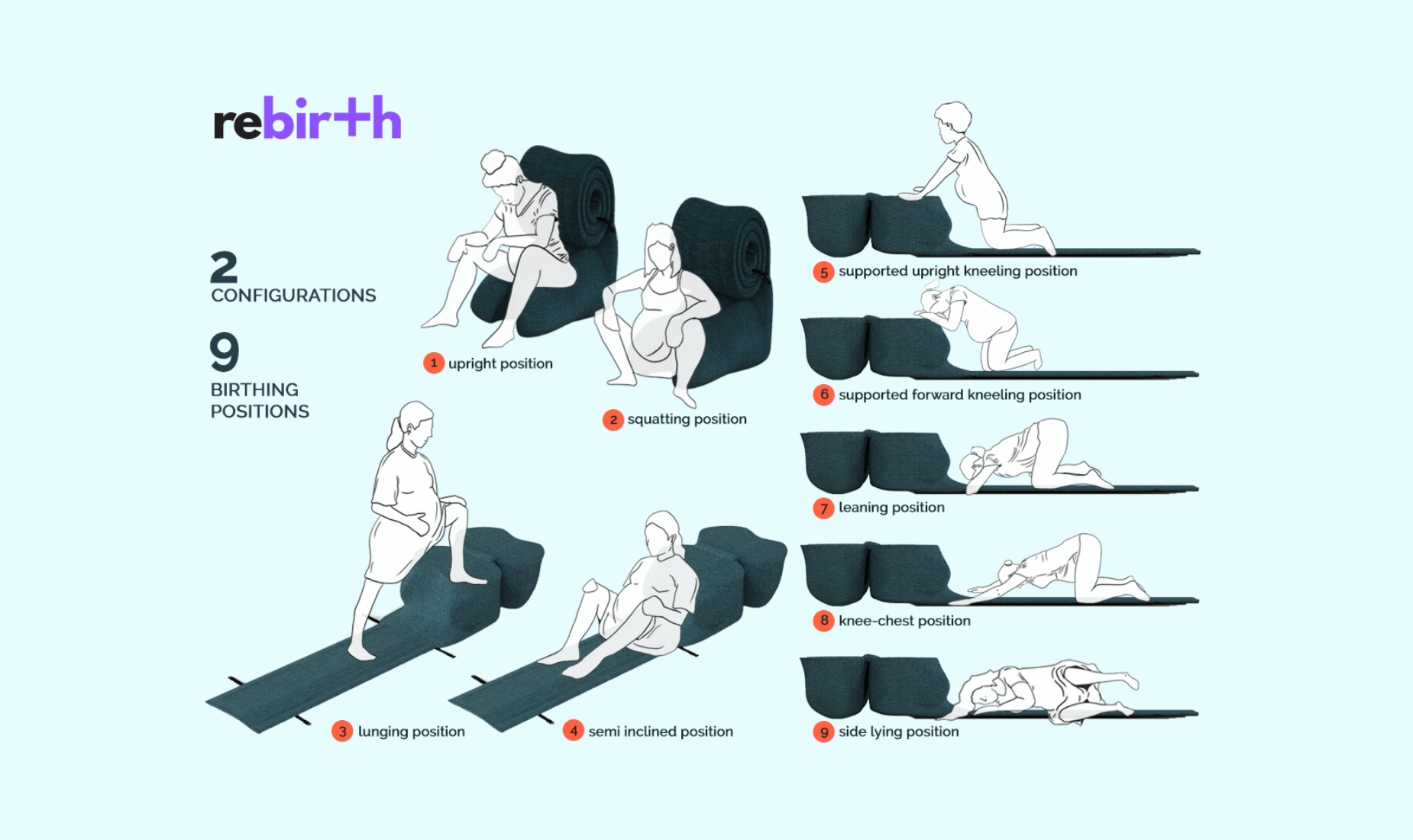
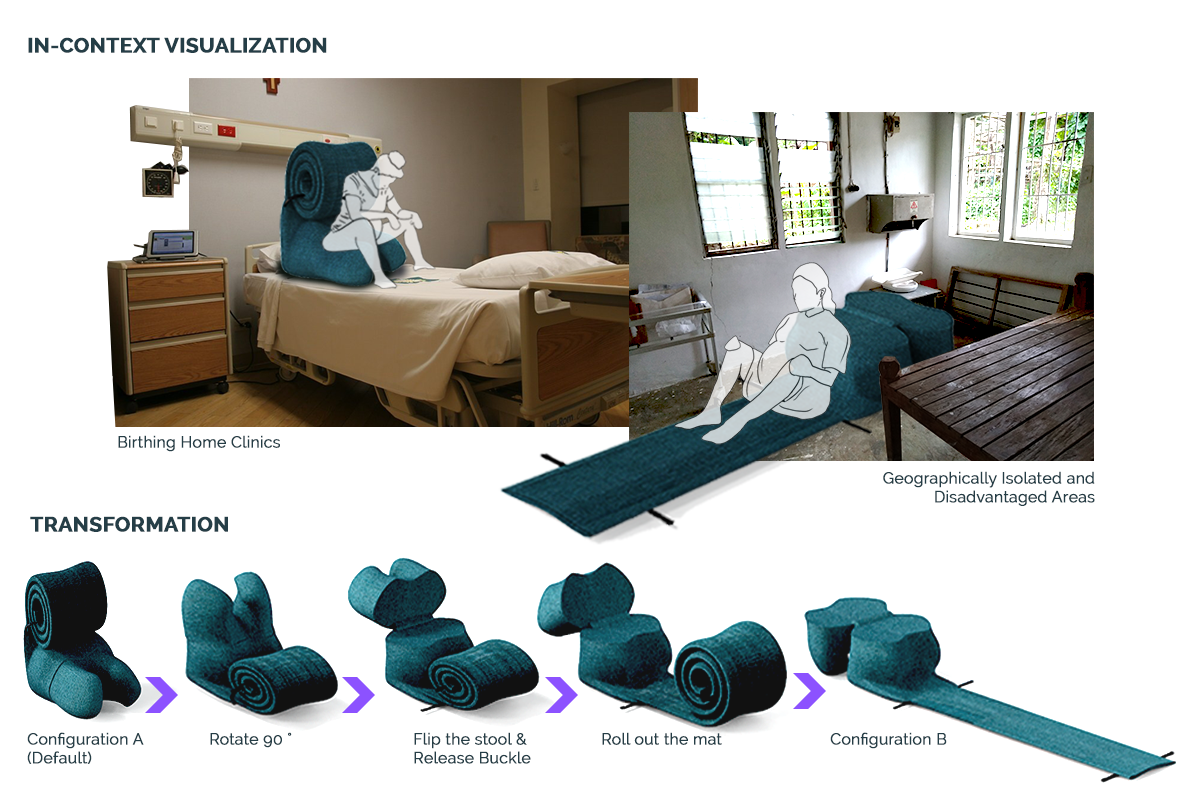
A woman-centered birthing tool that helps accommodate a variety of birthing positions for a positive birthing experience. This project is a group entry for the James Dyson Award in 2020 where it won as the Philippine National Winner.
The Challenge
Birthing practices vary between cultures. In some indigenous Filipino cultures, women give birth on the floor instead of a bed, while others give birth while squatting instead of lying down. However, a conventional obstetric bed doesn't afford this variety of positions, keeping a woman lying on her back when other positions can make labor easier for her. It also looks intimidating and uncomfortable to a would-be mother. Doctors in underserved areas at times have to ferry mattresses over far-flung areas to reach a woman in labor, or when there are not enough beds.
There is a considerable lack of maternal health innovations in the Philippines that leave birthing beds and tools designed often with the health practitioner in mind, and not the mother. Birthing beds that exist in the Philippines are either too simple that it basically is a flat surface to lie down on or complex metallic mechanisms that intimidate mothers alike especially those coming from far-flung rural areas.
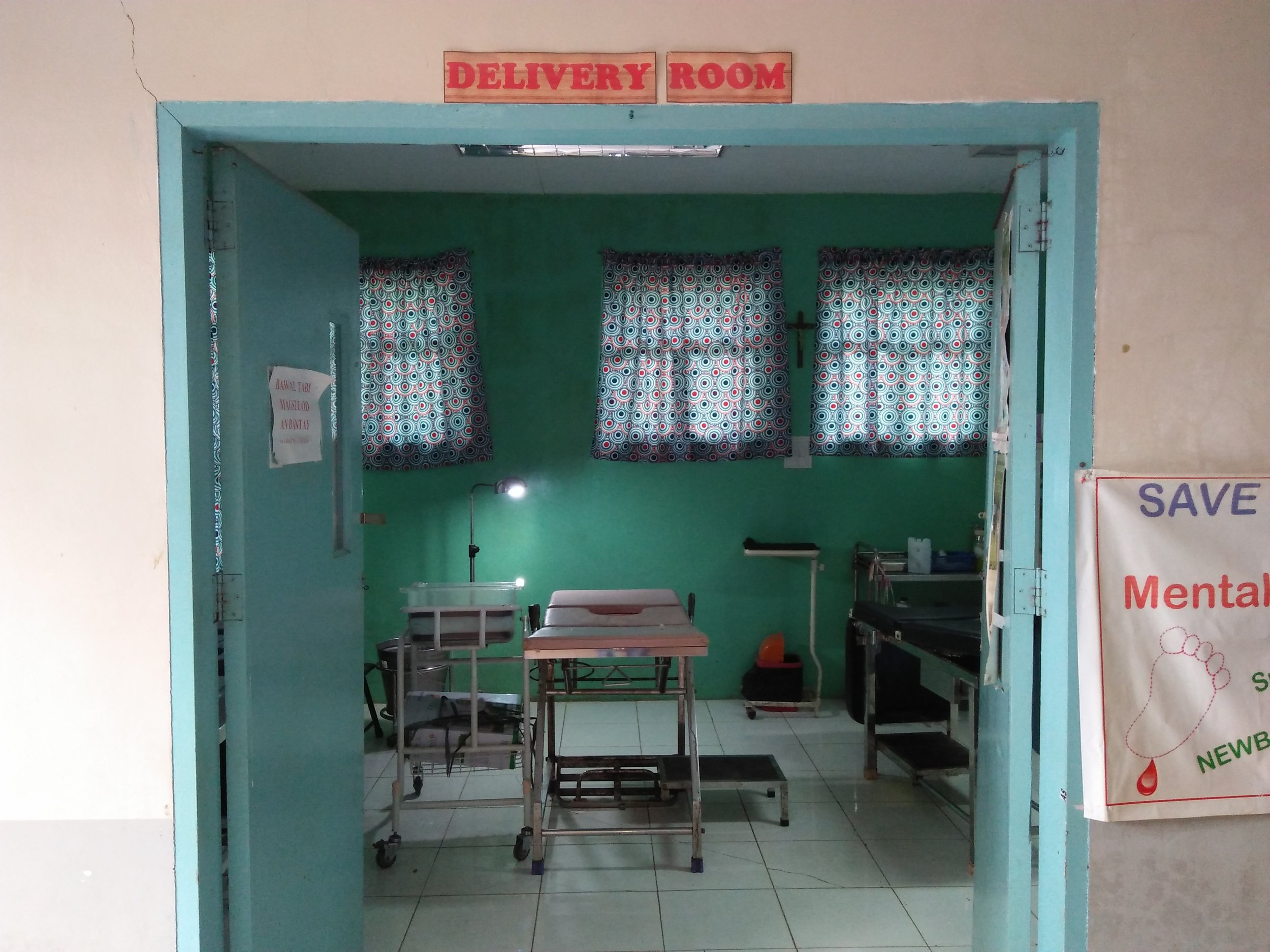
Delivery room in a rural health unit in the Philippines.
Interviews with mothers and health practitioners in rural areas
Through ethnographic interviews with healthcare practitioners and mothers in geographically isolated regions, we identified a critical misalignment between clinical tools and natural physiology. In these rural contexts—where resources are limited and natural birth is the primary delivery method—traditional obstetric beds act as a barrier rather than a support, forcing users into restrictive, counter-intuitive positions.
Our research revealed that the birth experience is shaped long before the clinical encounter. The physical environment and existing tools often trigger a sense of "pre-labor anxiety." By centering the lived experiences of mothers who have navigated natural birth, we shifted our focus from designing a piece of furniture to designing a support system that restores dignity and movement to the birthing process.